 Eden & Dane
East End estates,
designed with
discipline.
Bespoke regenerative estate landscape design for Hamptons properties. The same discipline we bring to Great Falls and McLean, applied to the specific soils, microclimate, and aesthetic register of the East End.
Where the design
bar is set
high already.
The Hamptons is one of the most design-saturated residential landscapes in the country. The estates are exceptional. The existing landscape work is often expensive and well-executed. What is less common is design with genuine ecological intelligence underneath the aesthetics, landscapes that are productive, resilient, and deepening rather than just beautiful.
Eden and Dane brings the same discipline to East End properties that we bring to estates in Great Falls and McLean. Site analysis. Ecological integration. A design vocabulary tuned to the houses and the landscape character of the specific village or estate district.
The East End has its own microclimate, the maritime influence moderates temperatures, extends the growing season, and opens up plant possibilities unavailable inland. We design for that climate specifically, not as a generic coastal property type.
Most Hamptons engagements run on our remote consultation model with a dedicated site visit. We are not permanently based in the market, which means Hamptons clients get the same focused engagement as our primary market clients without the overhead of a satellite office.

Four things that define East End work.
A different plant palette.
The maritime influence extends the growing season and opens up species that do not work in inland Zone 7. Mediterranean-adjacent plants, coastal natives, and the kind of ornamental grasses and salt-tolerant shrubs that belong to this landscape register.
Designed for the scale.
Hamptons estates are often larger than our DMV work. The design composition scales accordingly, more structural trees, broader meadow bands, and the kind of allees and formal kitchen gardens that read correctly at this scale.
Under the aesthetics.
The Hamptons landscape market produces beautiful work. What it produces less consistently is ecological intelligence beneath the surface. We bring regenerative soil, water, and plant community systems that make the estate healthier and lower-maintenance each year.
Present for the right moments.
We conduct the site analysis and design remotely, travel for a dedicated site visit when the engagement begins, and remain available through installation. The model is efficient and maintains design quality without requiring permanent local presence.
Three reasons Hamptons clients choose us.
A different perspective.
We are not embedded in the Hamptons design market. We bring the same design vocabulary we use on exceptional DMV estates, unfamiliar enough to be genuinely different, rigorous enough to hold its own against the best local work.
More than beautiful surfaces.
Most Hamptons landscape work is aesthetically strong. Fewer designers bring genuine regenerative depth, soil biology, water management, productive integration, and the ecological literacy that makes a landscape compound rather than plateau.
From blueprint to execution pathway.
We provide a complete estate blueprint and help identify and brief qualified local contractors and nurseries who can execute it. The design does not stop at a rendering, it is built to be built.
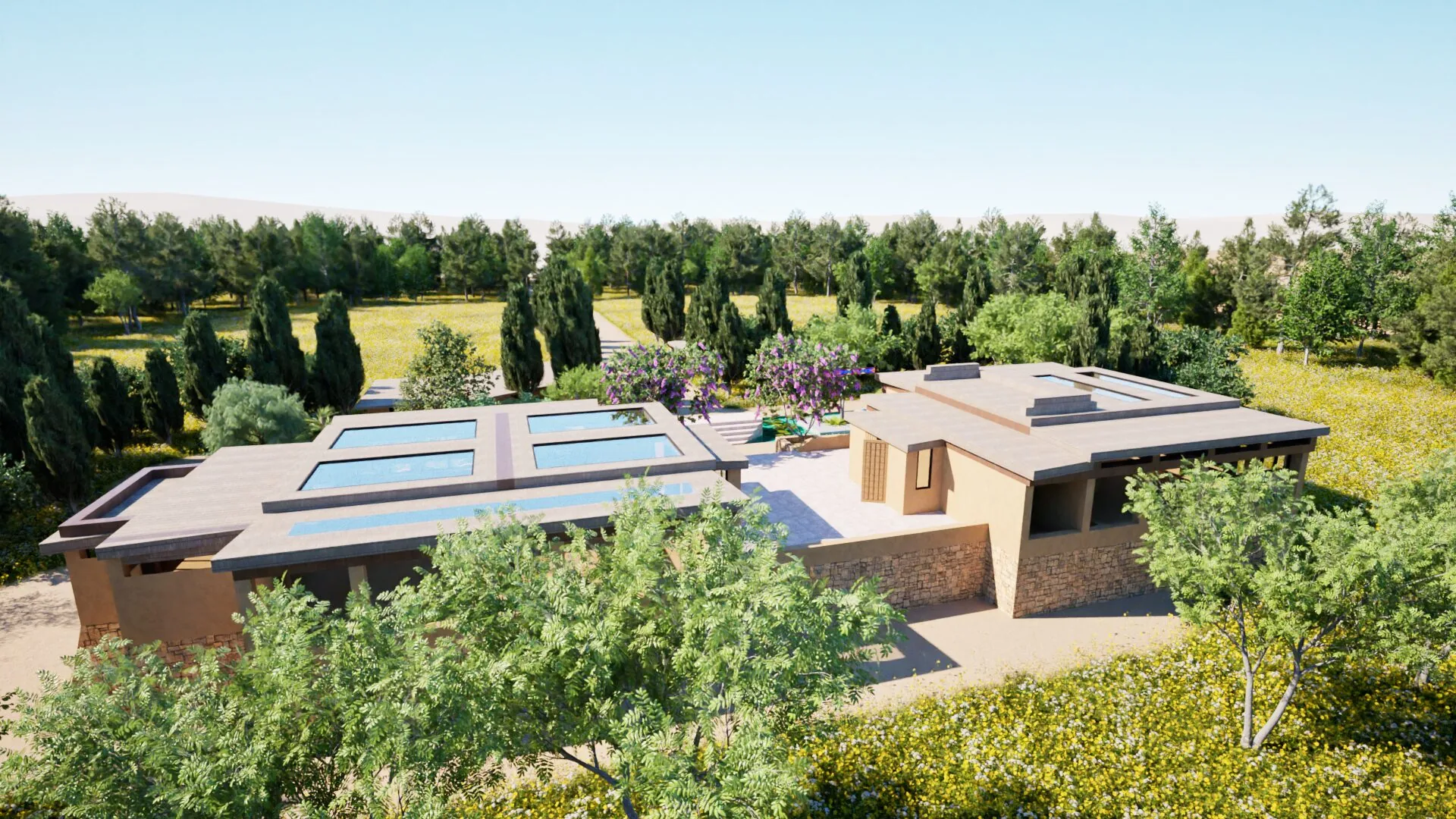
Some of the best soil in the country.
The East End sits on famously good ground and on top of its own drinking water, and both facts should shape a garden here.
Bridgehampton silt loam, laid down as the last glaciers retreated, is deep, well drained and almost free of stone. It is the reason this was potato and vegetable country for centuries. Closer to the ocean the soils turn sandy and drain fast, and salt wind limits what will grow. Long Island draws its water from the aquifer beneath it, so what goes on a lawn ends up in wells and in the bays. That is why Suffolk County restricts fertilizer, and why a low input landscape makes particular sense here.
- Hardiness zone
- USDA 7a to 7b, moderated by the ocean
- Rainfall
- Roughly 45 inches a year
- Soil
- Bridgehampton silt loam inland, sandy outwash near the shore
- Water
- Wells draw on the aquifer beneath the island
- Exposure
- Salt wind within reach of the dunes
- Deer pressure
- Heavy across the South Fork
What to know before you dig.
No fertilizer from November 1 to April 1.
Suffolk County's law bans applying any fertilizer between November 1 and April 1, with fines of up to $1,000. The rest of the year it carries further limits. A landscape built on native plants and living soil needs little or none, which suits both the law and the bays. Suffolk County law.
Designed for July and for the empty months.
Many East End homes are full in summer and quiet the rest of the year. We plan for peak color and harvest when the house is occupied, and for plantings that look after themselves, and look intentional, while nobody is there.
Working land next door.
Much of the best Bridgehampton ground is held under farmland protection. Designing with those views, and with the character of working fields, is what makes an East End garden look like it belongs.
Asked locally.
When can I fertilize in Suffolk County?
Not between November 1 and April 1, when all fertilizer application is banned. Outside that window there are further restrictions. Our plantings are designed to need little or no fertilizer once established, so the rule rarely affects them.
What grows well in Bridgehampton soil?
Almost everything suited to the climate. The silt loam is deep and well drained, which suits fruit trees, berries, vegetables and most perennials. The limits come from wind, salt and deer rather than the soil.
Can you design for a house that is empty most of the year?
Yes, and it changes the plan. We favor established perennials, shrubs and trees over annual displays, use drip irrigation on timers, and arrange maintenance visits around your calendar.
How do you handle deer on the East End?
Fencing where the garden matters most, and a deer resistant palette everywhere else. There is no plant deer will never eat, but there are many they usually leave alone.
Further reading: The easiest way to improve soil health →
Sources
- Suffolk County: Healthy Lawns, Clean Water fertilizer law
- USDA NRCS Official Soil Series Description: Bridgehampton
Program rules and figures change. Check the current numbers with the office named before you plan around them.
An East End estate
designed with depth.
Begin with a 15-minute discovery call. We will discuss your property, the East End context, and the design engagement that fits your vision.
Book your discovery call