 Eden & Dane
A practice
rooted in regeneration.
Most sustainability talk is performative. Ours is structural. Every Eden & Dane property is designed to leave its land healthier each year than the year before.
Beyond sustainable, into regenerative.
"Sustainable" means a system that does not actively make things worse. That bar is too low.
Regenerative landscape design starts from a different premise: a property should leave its land measurably healthier with every passing year. Richer soil, cleaner water, more biodiversity, more abundance.
This is not a marketing claim. It is a design discipline with measurable outcomes. Carbon drawn into soil. Stormwater captured rather than shed. Pollinator counts that increase. Tree canopy that expands. Native species that return.
Every choice we make on a project is evaluated against this discipline. If a design element only meets the sustainability bar, we redesign it until it crosses into regeneration.
Four regenerative disciplines, braided together.
No project leaves the studio without rigor in all four. They reinforce each other and they are not negotiable.
Living soil, built on purpose.
Soil biology, mycorrhizal networks, compost integration, and organic matter accumulation designed to deepen each year. Healthy soil sequesters carbon, holds water, and grows the kind of plants that turn ordinary properties into places.
Captured, slowed, infiltrated.
Swales, basins, rain gardens, and grading designed to hold every drop of stormwater on your property rather than send it to the storm drain. Water becomes an asset that recharges your groundwater rather than a liability that erodes your soil.
Native, edible, deeply layered.
Heritage trees, native pollinators, edible perennials, and comprehensive guild structures that mimic the way wild ecosystems actually work. Less maintenance, more resilience, and a property that is alive with insects, birds, and fruit.
Drawn down, year over year.
Trees, perennials, and living soil quietly pull atmospheric carbon into the ground for decades. Every Eden & Dane property is designed as a meaningful, measurable carbon sink without theatrics or virtue signaling.
A property that gets healthier each year.
Foundations set.
Soil amended, water systems installed, structures and stone placed, planting completed. The property looks composed but still young. The work has begun and the discipline is in place.
The system arrives.
Soil biology blooms, plantings mature into their habit, water systems become invisible, edibles begin meaningful harvest. The property starts to feel like itself rather than like a recent project.
A place, not a yard.
Trees come into their own. Stone weathers. The property settles into the rhythm of its place. Beauty deepens, maintenance simplifies, and the land becomes something difficult to put a price on.
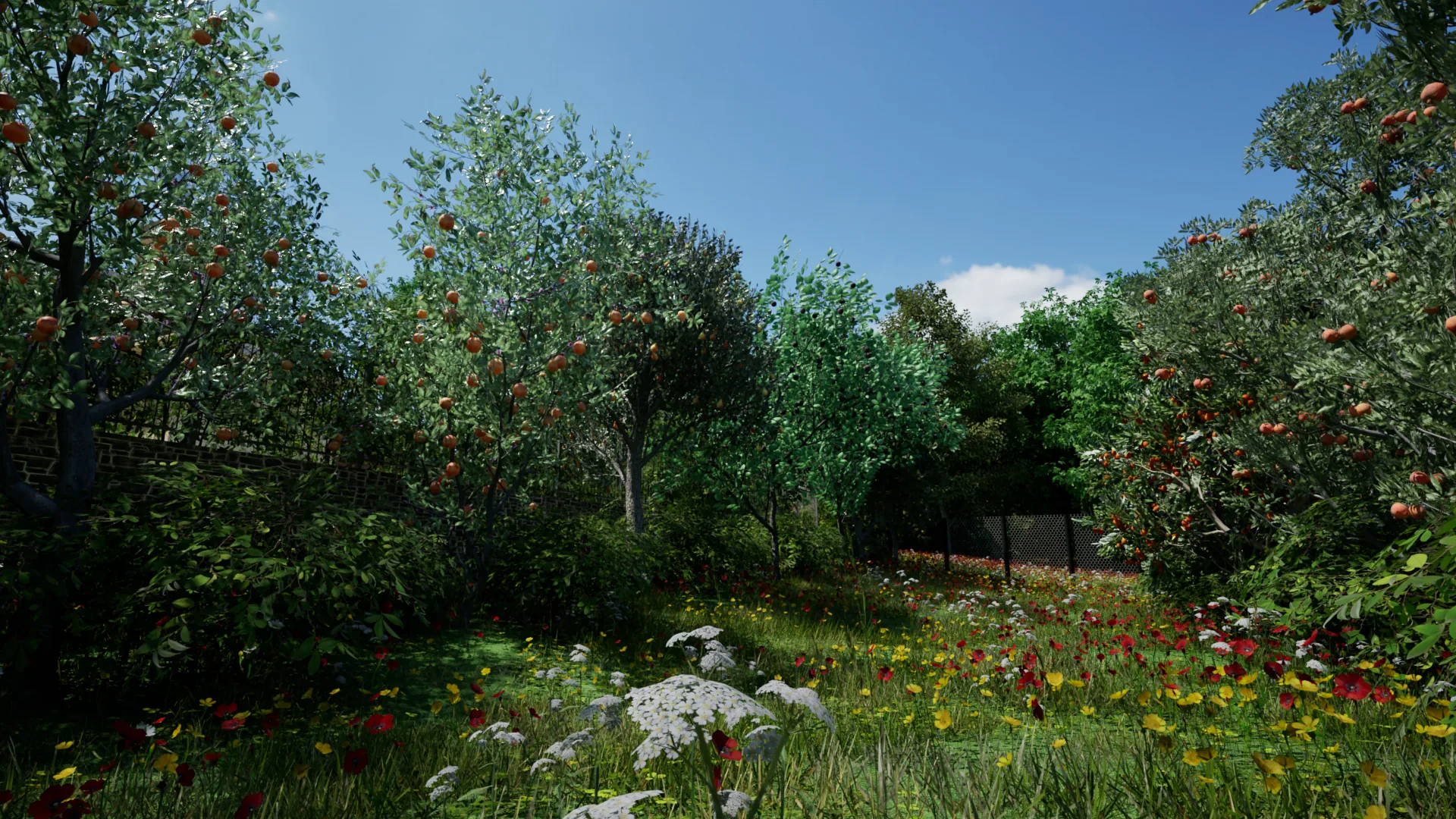
Ecology built into the bones.
Soil biology, water harvesting, native integration, and productive layers. The regenerative work that happens beneath the surface of every Eden and Dane design.
The most radical thing you can do
is design land that heals.
Begin with a 15-minute discovery call. We will talk about your land, your goals, and what regeneration might actually look like on your property.
Book your discovery call