 Eden & Dane
New Hampshire
land, designed for
what it is.
Regenerative estate landscape design for New Hampshire properties, primary residences, second homes, and rural estates. Designed for the short season, the granite soils, and the kind of land that rewards a long-horizon approach.
Short seasons,
long memory.
New Hampshire landscape work is defined by its constraints. The growing season is compressed. The soils are often thin over ledge. Winters are serious. The plants that work in Virginia may fail here. The design vocabulary that reads as luxurious in McLean reads as out of place against a New Hampshire farmstead.
We take on New Hampshire properties, from the Lakes Region to the Upper Valley and the seacoast, through our remote service with a local installer on the ground. We plan specifically for which native species thrive on granite-derived soils, which orchard varieties survive Zone 5 winters, and which design vocabularies, the working farm, the woodland edge, the dooryard garden, belong to this landscape.
Our New Hampshire service is built for both primary residences, properties where the land is lived on year-round and designed for the full seasonal arc, and second homes, where the landscape needs to perform well during peak use and recover without intensive management in the off-season.
We design here remotely and travel for site visits when the engagement warrants it. For most New Hampshire engagements, the remote consultation model works well.
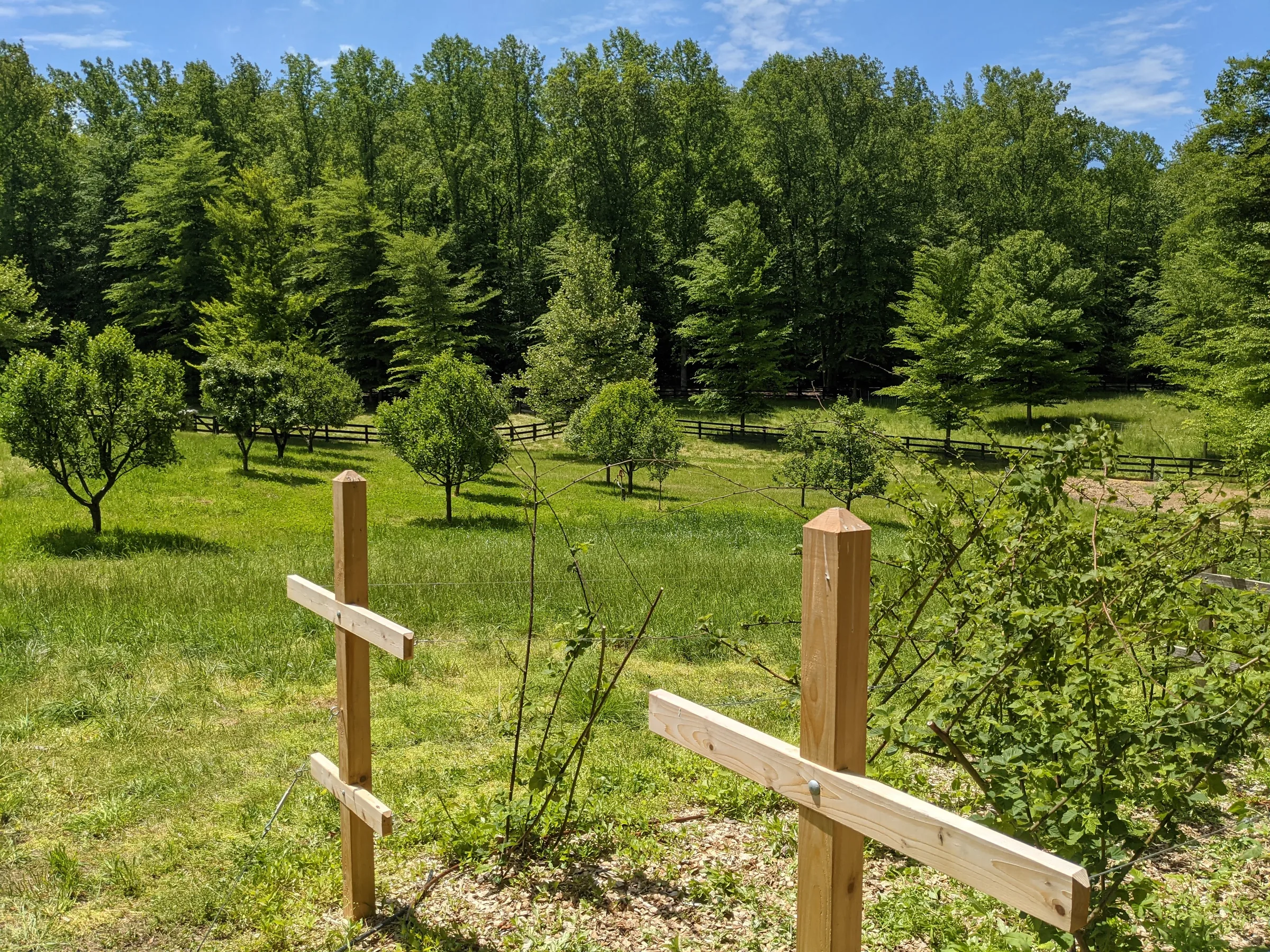
Four things that define NH landscape work.
Plants that earn their keep.
Species selected for Zone 5 hardiness, late-spring establishment, and winter interest. Native shrubs, heritage fruit trees, and the kind of ground-layer planting that performs through a compressed growing season without requiring intensive intervention.
Working with the bones.
Thin soils over granite ledge are not an obstacle. They are a design opportunity. Native plant communities evolved for this substrate. The design works with the rock rather than importing topsoil to cover it.
Belonging to the landscape.
New Hampshire's residential character runs from working farmsteads to lakefront cottages to rural estates. The design language shifts with the context. We are fluent in the vocabularies that belong here.
Designed without requiring presence.
Most New Hampshire engagements run on our remote consultation model. Site documentation, detailed photography, and soil test data give us what we need to design from a distance. Site visits for the right projects.
Three reasons NH clients choose us.
We know what works here.
Zone 5 hardiness, granite soils, compressed growing season, and the design vocabularies specific to New England rural and lakefront properties. We plan for those conditions specifically rather than adapting a Virginia plan.
No compromise on design quality.
The remote consultation model delivers the same design rigor as an on-site engagement. You get a complete estate blueprint, species sourcing, phased installation plan, and a local execution pathway, without requiring us to be there in person for every step.
Designed for the next twenty years.
New Hampshire properties reward patience. Heritage fruit trees take time to establish. Native woodland communities take time to fill in. We design for the arc, not the installation day.
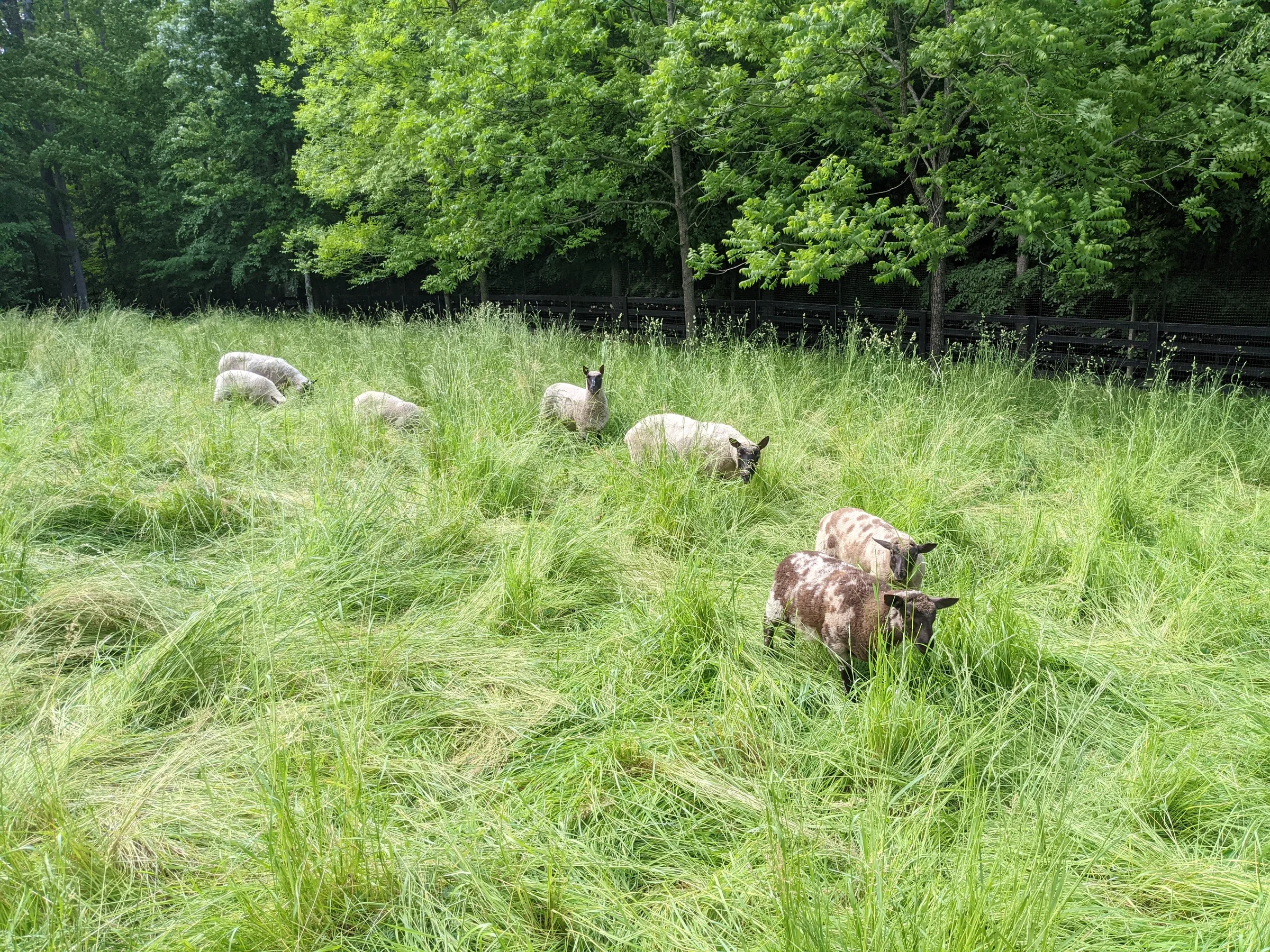
Granite, lakes and a short season.
New Hampshire properties are often on the water, on thin glacial soil, and working with a growing season a month or more shorter than Virginia's.
The soils are young, acidic and stony, left by glaciers over granite bedrock. That suits blueberries, apples on hardy rootstock and a long list of native shrubs, and it rules out plants that need deep, rich ground without serious soil building. On lakefront property, the state's Shoreland Water Quality Protection Act governs clearing, fill, fertilizer and impervious surface within 250 feet of the water, and it shapes every plan we draw there.
- Hardiness zone
- USDA 3b to 6a, colder in the north and at elevation
- Rainfall
- Roughly 40 to 48 inches a year plus snow
- Soil
- Thin, acidic, stony glacial till over granite
- Season
- Late frost into May, first frost by late September in many towns
- Snow
- Plan paths, beds and shrubs around plowing and load
- Shoreland
- State rules apply within 250 feet of protected waters
What to know before you dig.
The 50 and 150 foot buffers.
Within 250 feet of public waters, the Shoreland Act sets a 50 foot waterfront buffer where tree and ground cover removal is limited, and a 150 foot woodland buffer where natural vegetation must be kept. Impervious surface is capped at 20 percent of the area within the protected shoreland, or 30 percent with an approved stormwater plan. NHDES FAQ.
None within 25 feet of the water.
No fertilizer may be applied within 25 feet of the reference line. From 25 to 250 feet, only low phosphorus, slow release fertilizer is allowed. Native plantings designed for the shore rarely need any, which is the point.
Excavation and fill near the shore.
Most excavation, filling or construction within the protected shoreland needs a shoreland permit from NHDES. We plan the work so it stays within what the buffers allow and apply before the season starts.
Asked locally.
Can I clear trees for a lake view?
Within limits. In the 50 foot waterfront buffer the Shoreland Act restricts removal of trees and ground cover, and within 150 feet a natural woodland buffer must be kept. Selective pruning and limbing up can open a view without breaking the rules. We design views around what the buffers allow.
Can I fertilize my lakefront lawn?
Not within 25 feet of the water. From 25 to 250 feet only low phosphorus, slow release fertilizer is allowed. Replacing lawn near the shore with native plantings solves the problem and protects the lake.
What fruit grows in New Hampshire?
Blueberries thrive in the acidic soil. Apples and pears on hardy rootstock, haskap, currants, gooseberries, elderberries and cold hardy kiwi all do well in most of the state. We choose varieties by your town's zone and frost pocket, not the state average.
How do you work on a property so far from Virginia?
Through our Remote Strategy and Property Intelligence Report, built from site data, photos and video, with a local installer for the work on the ground. Larger projects include a site visit.
Further reading: Rainwater catchment and swale design for larger properties →
Sources
- NH Department of Environmental Services: Protected Shoreland FAQ
- NH Lakes: Lawn care within the protected shoreland
Program rules and figures change. Check the current numbers with the office named before you plan around them.
Your New Hampshire
land, designed.
Begin with a 15-minute discovery call. We will discuss your property, the region, and whether the remote or on-site model fits your engagement.
Book your discovery call