 Eden & Dane
McLean gardens,
scaled to the lot.
Bespoke landscape design for McLean estates. Composition tuned to McLean's mature canopy, established root systems, and the character of the homes, working with what is already there rather than starting over.
Smaller lots,
denser composition.
McLean estates run smaller than the Great Falls average, often under two acres, and the work calls for a different design discipline. Every square foot reads. Mature trees set the bones. Neighbors are visible. The house sits closer to the street.
Eden & Dane designs McLean gardens that respect what is already there. The mature oaks and beeches that took fifty years to establish are kept. The root zones are protected. The composition is layered into the existing canopy rather than imposed on top of it.
Our McLean work tends to emphasize privacy that reads as garden rather than fence, edible elements integrated quietly into the ornamental layer, and a level of detail at the entry sequence and rear garden that matches the character of the home.
We design. We install with our trusted local crews. McLean projects are usually three to nine months from first walk to substantial completion.
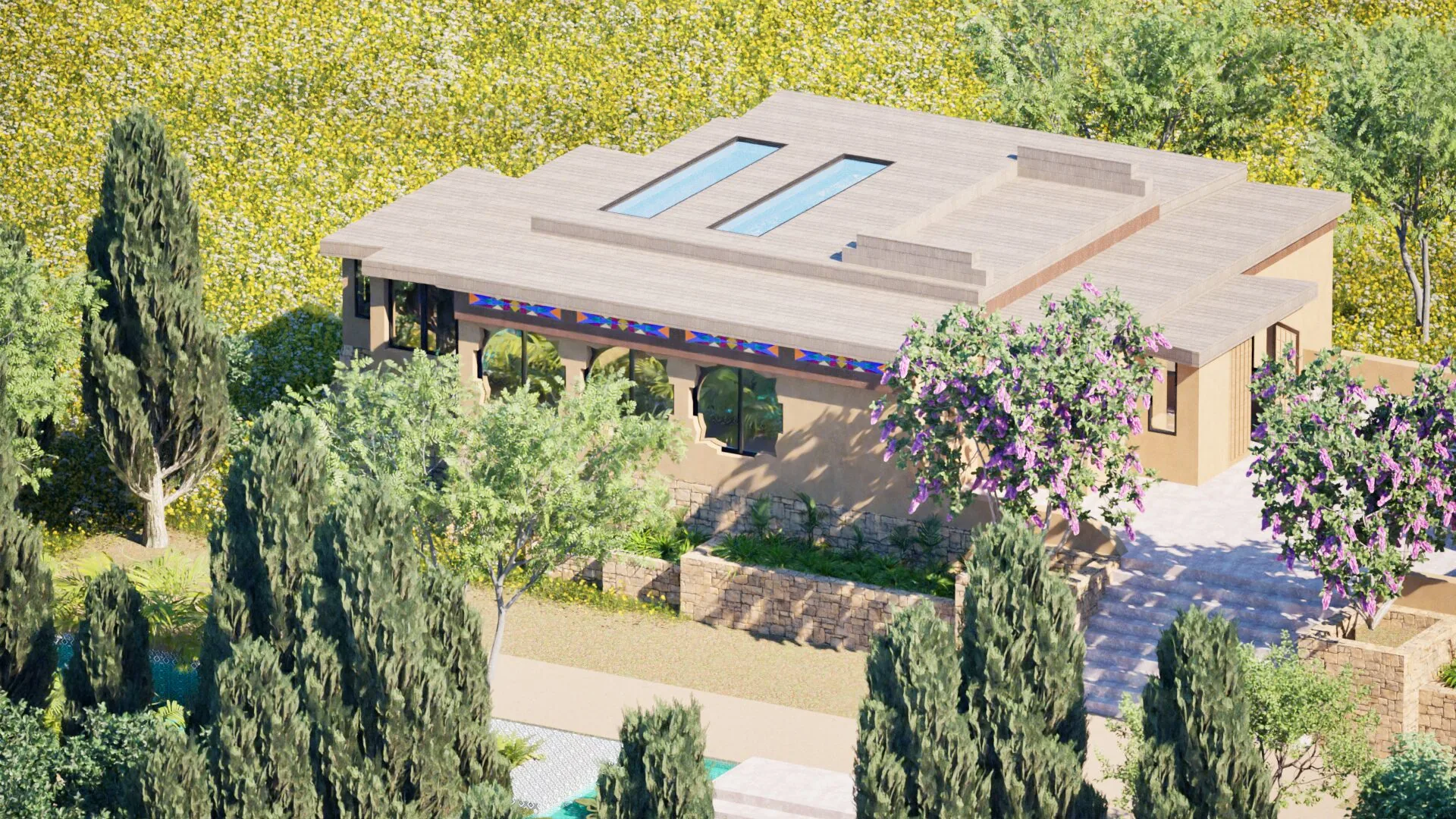
Four things we work with in McLean.
Composing around the canopy.
Most McLean lots have established trees that took half a century to mature. We treat them as the structural bones of the design, protect their root zones, and compose the new garden into their existing shade and form.
Layered, not walled.
McLean privacy is achieved through layered planting, mid-canopy infill, evergreen anchors, structural hedge lines, rather than walls of leyland cypress. The lot still feels generous. The neighbors recede.
Garden that matches the home.
McLean houses range from traditional colonial to transitional contemporary. The garden should belong to the home, not look like it was designed for a different house. We tune the formality, the palette, and the materials to the house.
Integrated, not separate.
Most McLean clients want some edibility, herbs, espalier fruit, a small kitchen garden, but do not want a visible vegetable patch. We integrate these elements into the ornamental layer so the garden reads as composed throughout.
Three reasons it works.
We know the soils and shade.
McLean's specific microclimate, shade-heavy lots, established canopy, varying soils from the Potomac flood plain to the upland, calls for plant choices most designers approximate. We design with palettes proven in McLean specifically.
The garden belongs to the house.
We adjust the formality, hardscape, and palette to match the home. A transitional contemporary gets a different garden than a traditional brick colonial, both can feel right when designed to the building.
Respect for the neighbors.
McLean lots are close. Our crews work quietly, clean up daily, and manage the project so the neighbors do not have to budget patience. The work is invisible until it is done.
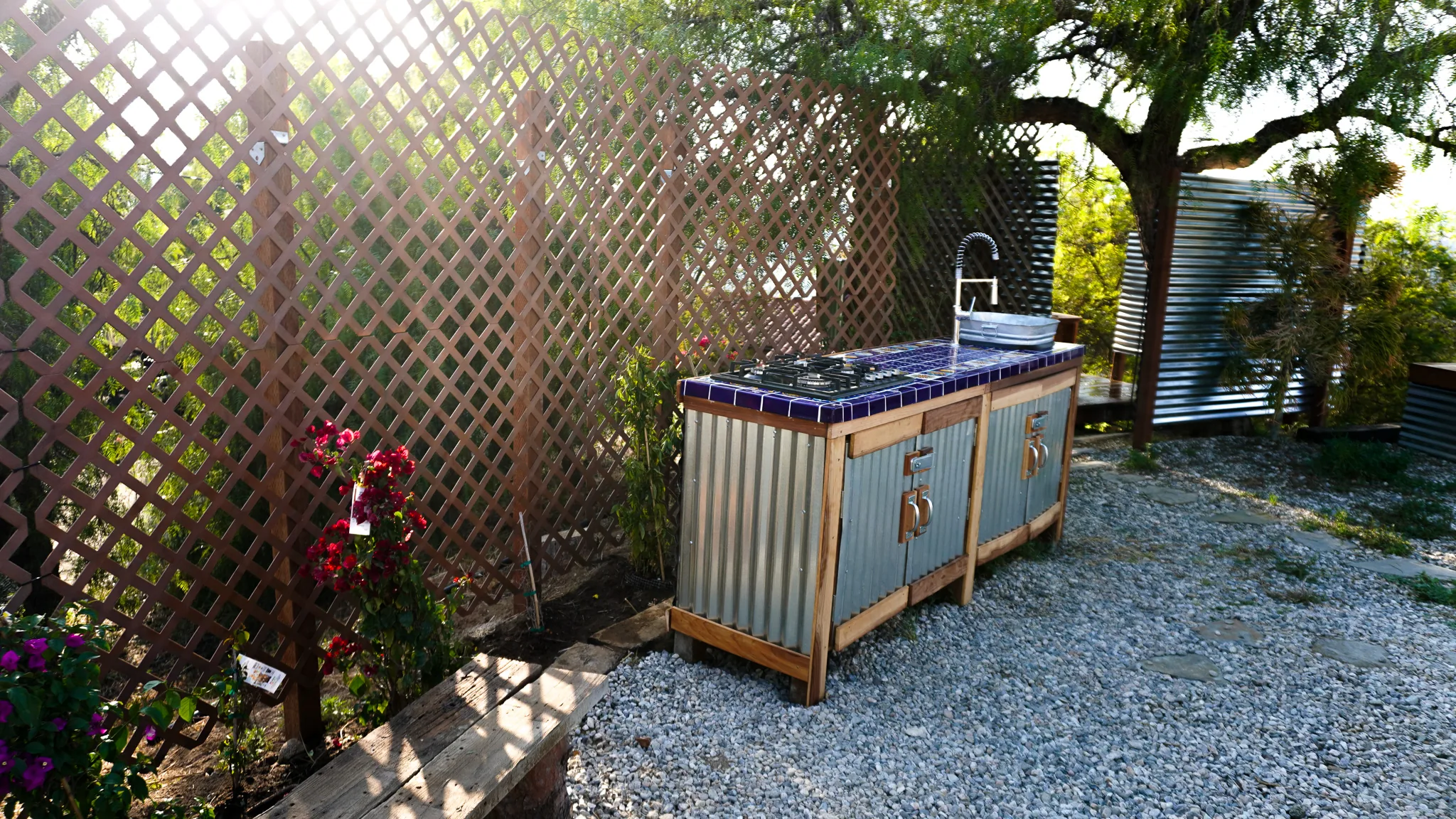
Work in Fairfax County.
The 2 House Orchard
A layered food forest and orchard with deer fencing, designed for a family to walk and harvest together.
The Farmette
A 5.8-acre property sequenced for food, water and conservation cost-share.
Smaller lots, bigger houses.
Most McLean work happens on a half acre to two acres, often next to or after new construction, and that changes the problems we are solving.
When a house is torn down and rebuilt larger, the lot is left with compacted soil, more roof and more driveway shedding water, and neighbors who can suddenly see in. The first job is usually repairing the ground the machines drove over and deciding where the new runoff goes. Pimmit Run, Scotts Run and Dead Run drain much of the area, and their buffers limit what can happen near the back of many lots.
- Hardiness zone
- USDA 7b
- Rainfall
- A little over 40 inches a year
- Soil
- Often construction fill over clay, compacted by equipment
- Utilities
- Public water and sewer on most lots
- Typical lot
- A half acre to two acres
- Main pressure
- Runoff from new roofs and privacy from new neighbors
What to know before you dig.
A rain garden can pay for most of itself.
Through VCAP, the Northern Virginia Soil and Water Conservation District reimburses up to 75 percent of eligible costs, with up to $7,000 for a rain garden or conservation landscaping area. On a McLean lot with a new roof draining toward the house, that is often the most useful single project. Program page.
Plan the landscape before the builder leaves.
All of Fairfax County is inside Chesapeake Bay Preservation Areas, so disturbing 2,500 square feet or more generally needs an approved plan. On a rebuild, the builder's grading plan already sets where water goes. Reviewing it early is far cheaper than regrading a finished yard. County ordinance.
Privacy without a wall of one species.
A single row of one evergreen is fast and fragile: one disease or one storm opens the gap again. We layer evergreen and deciduous natives at staggered depths so the screen fills in within a few seasons and holds up when one plant fails.
Asked locally.
Our house was just built. Why is nothing growing well?
Construction equipment compacts the subsoil, and builders usually spread a thin layer of topsoil over it. Roots cannot get through the compacted layer and water sits on top of it. Loosening the ground, adding organic matter and mulching deeply fixes most of it within a couple of seasons.
How fast can we screen out a new house next door?
A layered screen of fast growing natives, planted at a decent size, usually gives meaningful privacy in two to three growing seasons. For faster results we combine planting with a short run of fence or a trellis where the view matters most.
Is a rain garden worth it on a half acre?
Often, yes. A half acre with a large new roof and driveway can shed thousands of gallons in one storm. A rain garden sized to catch it protects the foundation, feeds the plantings and, through VCAP, can be reimbursed at up to 75 percent of eligible costs.
Do you work with HOAs in McLean?
Yes. We prepare drawings and plant lists in the form HOA review boards expect, and we design edible and native plantings to read as tidy and intentional from the street.
Further reading: Growing food in an HOA neighborhood →
Sources
- Fairfax County: Virginia Conservation Assistance Program
- Fairfax County: Chesapeake Bay Preservation Ordinance
- Virginia Administrative Code 9VAC25-875-240: land disturbance thresholds
Program rules and figures change. Check the current numbers with the office named before you plan around them.
A garden that belongs
to your McLean home.
Begin with a 15-minute discovery call. We will discuss your lot, your home, and the garden that should already be there.
Book your discovery call