 Eden & Dane
Chestnut Tree
Blight-resistant hybrid chestnuts bred to survive where the American chestnut once dominated Eastern forests - a genuine long-term nut crop for a property with room to grow.
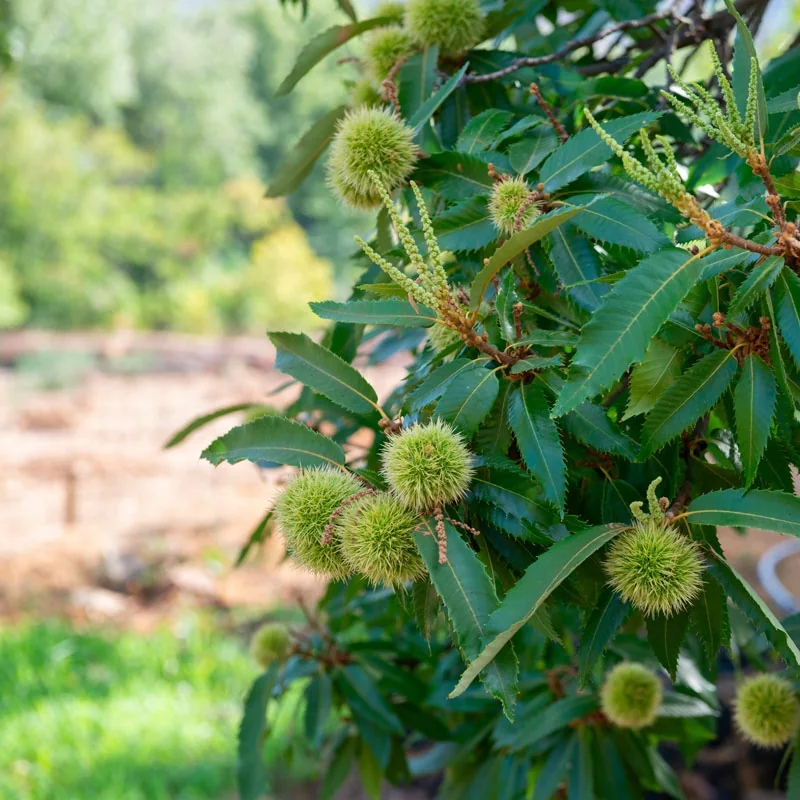
The American chestnut was functionally wiped out by chestnut blight in the early 20th century, and most of what survives today in the wild are stump sprouts that die back before reaching nut-bearing maturity. We grow blight-resistant hybrid selections, crosses that carry the resistance genetics of Chinese or Japanese chestnut while retaining much of the growth habit and nut quality people associate with the native tree.
This is a tree for people thinking in decades, not seasons. A young tree can begin producing within 5-7 years, but a mature chestnut is a genuine legacy planting, one that will still be producing heavily long after the person who planted it is gone.
Before you plant.
Planting & Growing Information
Good company
for your chestnut tree.
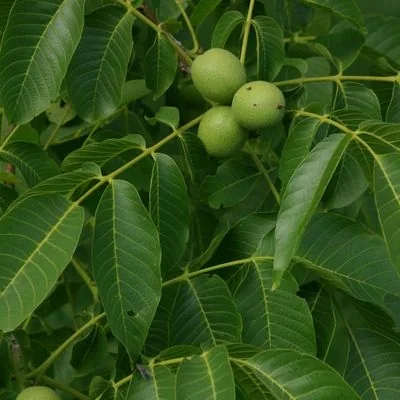
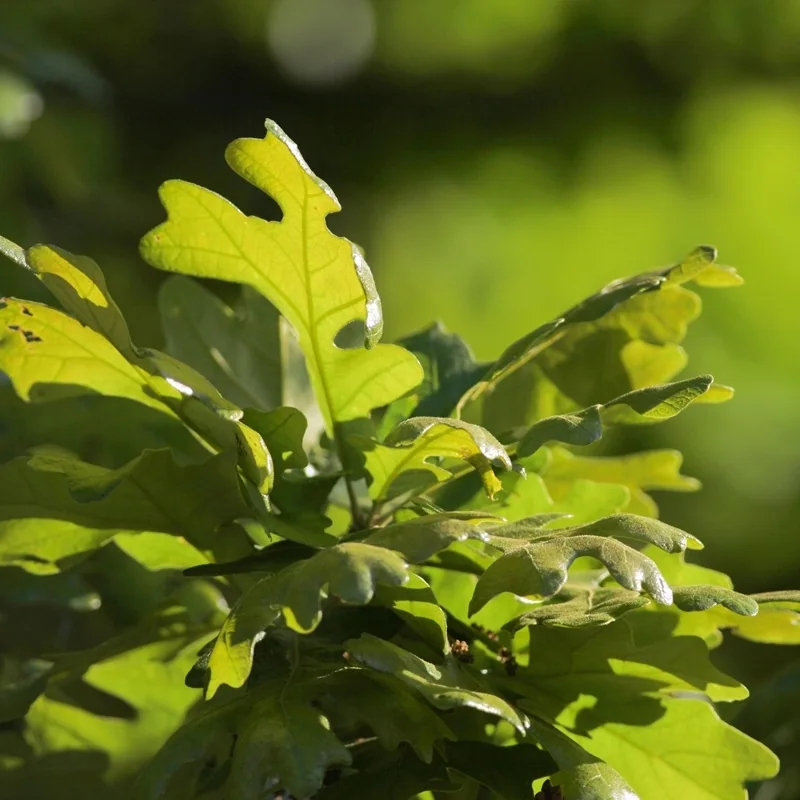
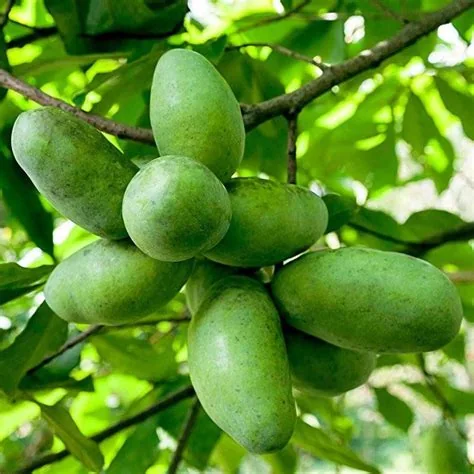
A legacy nut tree
for people who plan ahead.
The American chestnut once made up a large share of Eastern hardwood forests, until chestnut blight arrived in the early 1900s and killed billions of trees. The wild survivors today are mostly root sprouts that die back before they bear.
Blight-resistant hybrids carry resistance from Asian chestnut species while keeping a productive, upright habit and sweet nuts. They are the practical way to grow chestnuts again.
Chestnuts are a real staple crop, starchy rather than oily, and a mature tree can produce a substantial harvest every fall for generations.
- Blight-resistant hybridsCrosses carrying Asian chestnut resistance, bred for nut production.
- Pollination pairsChestnuts need a second, unrelated tree; we sell in pairs.
- Rooted cuttings and containersFrom a starter planting to a larger container tree.
- Current stockInventory varies by season and batch. Contact us to confirm what is available now, and in what size.
What to know before you buy
Plant at least two trees within about 100 feet of each other. Chestnuts are wind-pollinated and do not set nuts alone.
This is a full-size tree, 40 to 60 feet at maturity. Site it well away from buildings, driveways and septic fields.
Chestnuts want well-drained, slightly acidic soil. They struggle in heavy, wet clay.
Nuts drop in spiny burs in early fall. Gather them promptly, before squirrels and deer do.
What we ship.
Plants ship in the dormant seasons, late fall and early spring, with local pickup in Great Falls. Availability changes by batch, so ask if you need a particular size.
Planting at scale.
We supply landscapers, nurseries, farms and larger residential projects with chestnut tree in quantity. Stock is seasonal and limited, so get in touch ahead of your planting window and we will plan around your order.
Ask about wholesale →
Planning an orchard, guild or garden around this plant? An on-site consult in the DC area starts at $250, a written Remote Strategy at $1,500, or start small with a free guide.